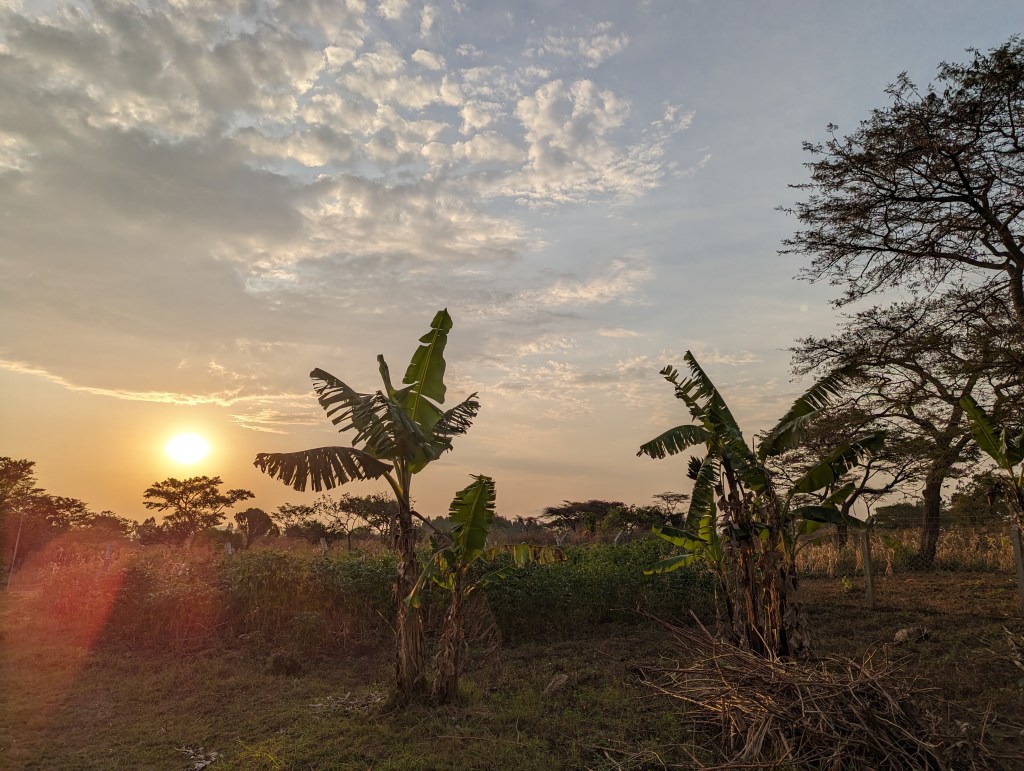
Christian life is not about escaping earth to go to heaven: it is about bringing heaven to earth. The Garden of Eden is not just a story about our beginnings — it is a blueprint, a guide for human vocation. Humanity is called to walk with God, transforming the world into something even more beautiful than Eden itself, the new Creation. As Blessed Basil Moreau wrote, “Education is the work of the resurrection.” At its best, Catholic education forms people to live in the Edenic vision.
In Garden of Eden, four streams poured forth and gave life to the whole world. And in Eden Education, there are four “streams” that guide the way that we teach and form our young people.
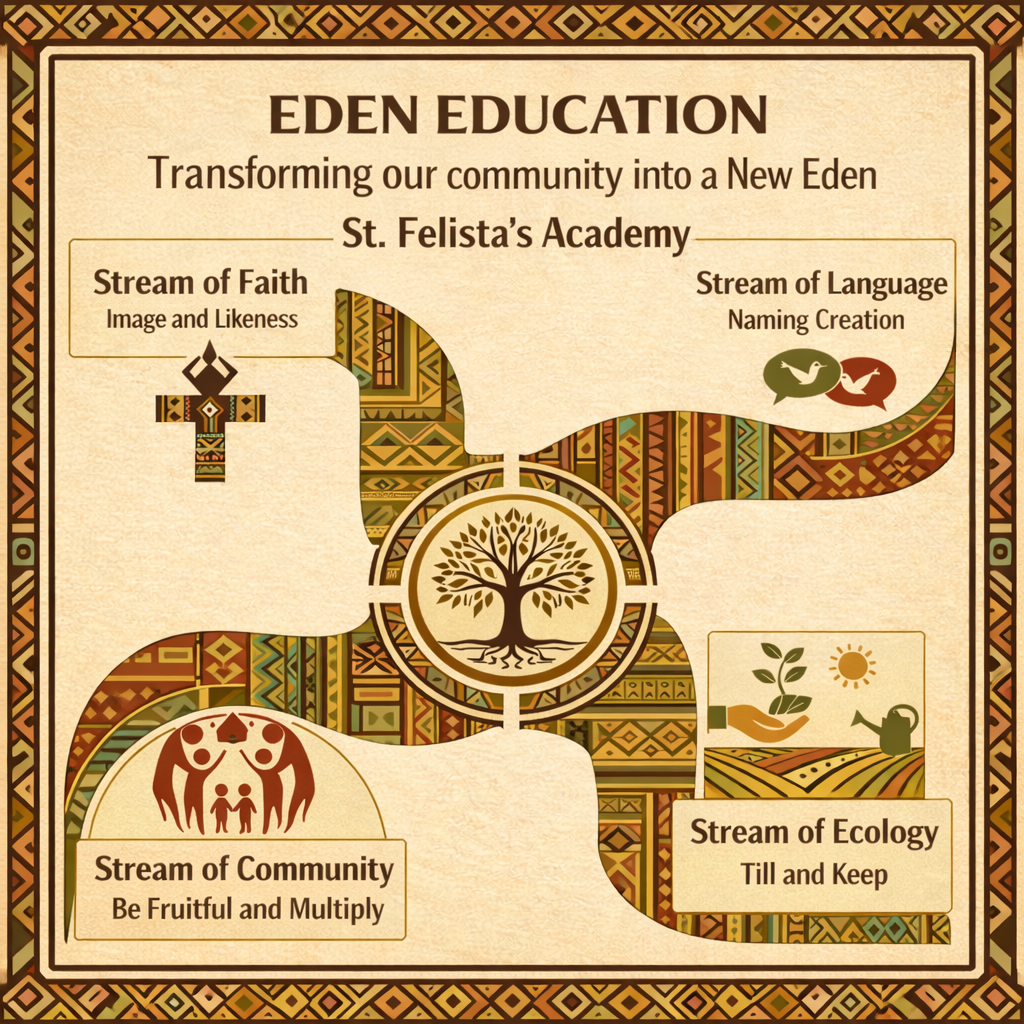
The Stream of Faith: Image and Likeness
Then God said, “Let us make human beings in our image, after our likeness” (Genesis 1:26)
God made humanity in the image of God, and it is our lifelong task to strive to live in his likeness. Eden Education puts first the formation of young people who know their dignity as children of God, and their destiny to be in communion with God.
In the East African context, where catechesis is often rote and shallow, we will design a theological curriculum from the youngest ages which prioritizes each child’s authentic relationship with God from a young age. Our students will have abundant opportunities to participate in the life of the Church, especially through liturgical song and dance and other performances. And they will have opportunities to lead one another through various student groups and address wholistically the challenges they face in family, social and persona life. In short, we hope to form students who are proud of their faith, who have an intentional relationship with God, and are eager to live out their vocation as Garden-keepers.
In due time, we will explore partnerships for the strengthening of this “stream” across East Africa as well as with groups like the Institute for Church Life at the University of Notre Dame.
The Stream of Language: Naming Creation
“The human being gave names to all the livestock, the birds of the air, and all the wild animals” (Genesis 2:20).
God gave humanity the dignity, not only of stewarding creation, but naming it. Indeed, language is one of the greatest gifts and mysteries of being human – the very ground of our communion with one another and God. Far too often, schooling in sub-saharan Africa alienates its pupils from the languages they speak at home — stunting their educational outcomes and development of their local languages.
Eden Education will prioritize the full-flourshing of our students in both Swahili and English. We will use state-of-the art research and bilingual teachers to develop curriculums which will enable our students to fully engage and explain concepts in both languages. Fully developed in both tongues, our students will be able to meaningful work at home and afar. They will have the confidence to mediate between the powerful and the weak. And most importantly, they will have what they need to communicate totally with their loved ones and with their God.
We are exploring partnerships in the region of East Africa as well as at the University of Notre Dame to develop this curriculum etc etc.
Stream of Community: Be Fruitful and Multiply
“God blessed them and said, ‘Be fruitful and multiply; fill the earth and subdue it’” (Genesis 1:28).
Blessed and sent into the world, humanity is commanded to be fruitful and multiply—not to dominate, but to extend the life of the garden, to participate in God’s work of making creation a home where all can flourish. Family and community are the first places where this vocation is learned, practiced, and handed on.
Oftentimes in sub-saharan Africa, the educational outcomes of children are stunted because of a lack of awareness of some of the best practices for child development at home. Moreover, most children do not have a supportive environment for their studies at their homeplace, since their families have other priorities than their success in the classroom.
With Eden Education, we will place family and community at the heart of the educational project. We hope to make family and neighbors a central part of our school community so that they see education as an integral — not adversarial — of the future of their families. The Catholic Church in East Africa is well-positioned to do this integration since through the jumuiya, or “small Christian community” system, the Church has a built-in presence and leadership in our neighborhoods and villages.
In time, we will explore partnerships like the Global Center for the Development of the Whole Child at the University of Notre Dame to use the best-practices for community and family engagement.
Stream of Ecology: Till and Keep
“The Lord God took the human and put him in the Garden of Eden to till it and keep it” (Genesis 2:15).
From the beginning, humanity’s vocation is inseprable from the soil from which we are formed. We are not placed on earth simply to build civilizations, but to participate with God in the transfiguration of creation itself. To cultivate and love the land is to join in God’s saving work allowing the world to be healed, renewed, and raised toward the fullness for which it was made.
Yet too often education in rural has taught young people that success means leaving the land behind. Agriculture is seen as a failure, and village life as a problem to escape. The most educated Africans often have the least connection to the land their ancestors called home. The result is an erosion of local knowledge of how to cultivate and live well in a particular place.
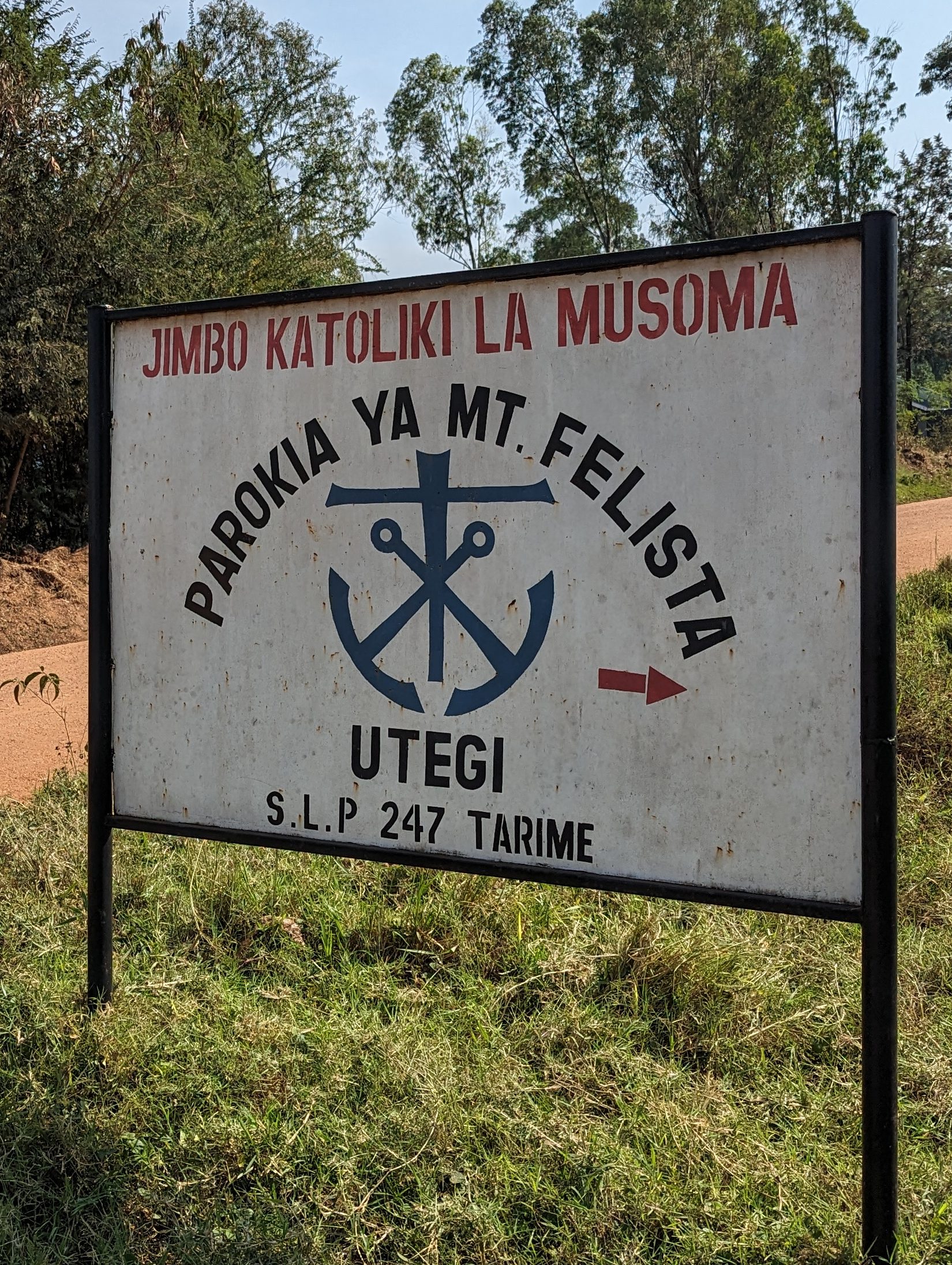
At St. Felista’s, we seek to form in our students both a genuine love for their land and the wisdom to cultivate it well. Rather than educating them away from their homes and into an elite class detached from the soil, we will root their learning in the fields and gardens of Utegi itself. Students will work in the school garden and learn practices suited to their own land, so that what they study in the classroom bears fruit in their own homesteads. Our hope is to raise a generation who do not see their home as something to escape, but as a place to flourish — and as a place where God is encountered in the patient work of cultivation and care.
 Updates from Utegi